Our Commitment to Energy Efficiency
At Green Building Energy Sustainability, we are passionate about promoting energy efficiency and environmental responsibility. With years of experience in the industry, our team of qualified inspectors is well-versed in the latest energy standards and guidelines. We take pride in staying up-to-date with the ever-evolving energy landscape, ensuring that our clients receive the most accurate and relevant assessments for their properties. Our mission is to help you identify areas for improvement, implement energy-saving measures, and make informed decisions that positively impact your property’s energy performance and reduce utility costs.
Comprehensive Energy Inspection Services
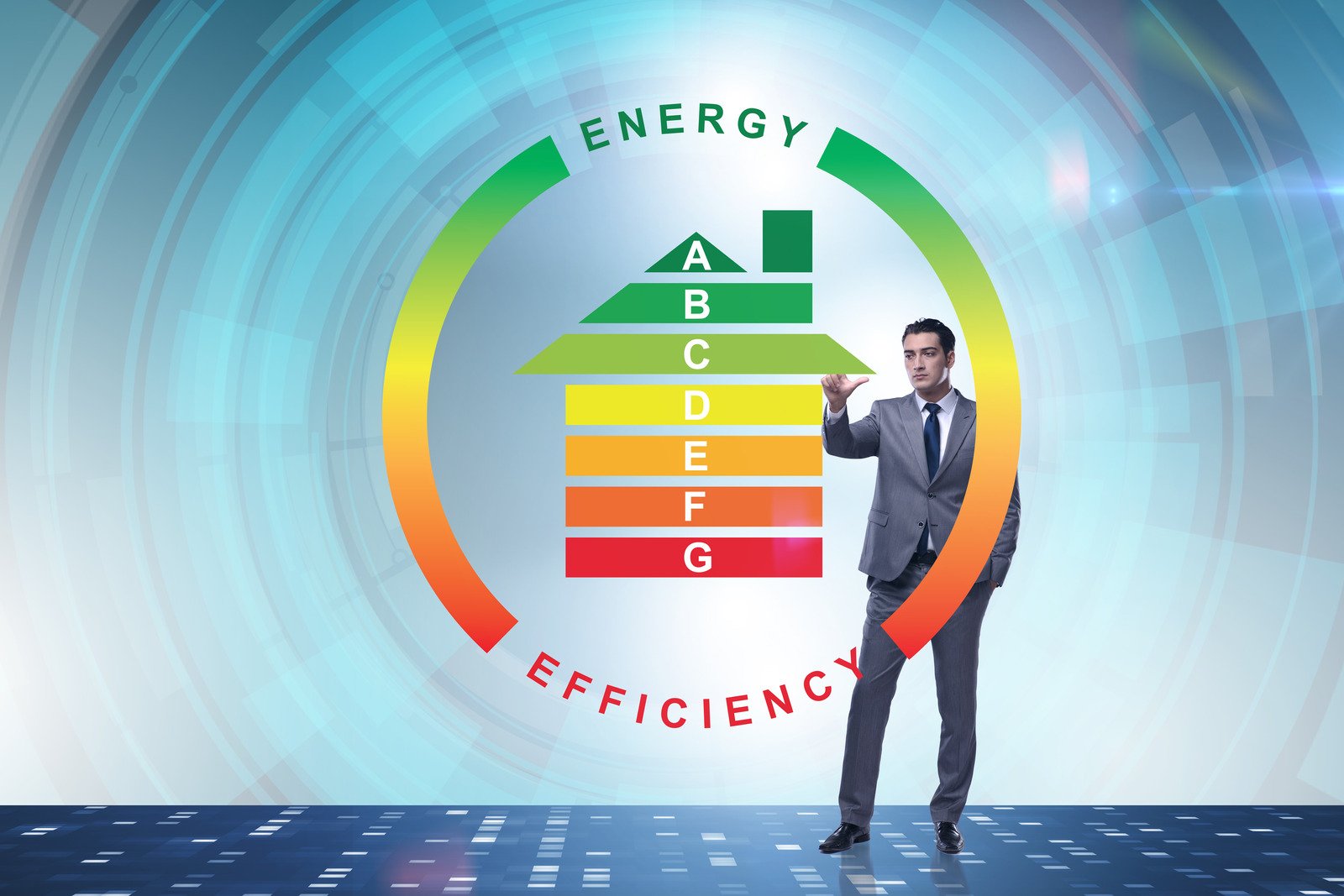
Green Building Energy Sustainability offers a comprehensive range of energy inspection services tailored to meet the unique needs of our clients. From residential homes to commercial buildings, we conduct detailed energy assessments to evaluate energy usage, identify inefficiencies, and recommend sustainable solutions. Our services include, but are not limited to, energy audits, air leak testing, insulation assessment, HVAC system evaluation, and lighting efficiency analysis. Whether you need an energy inspection for a new property or wish to optimize your existing building’s energy performance, our team is here to assist you.
Your Trusted Energy Inspection Partner
Choosing Green Building Energy Sustainability means partnering with a company that prioritizes quality, accuracy, and customer satisfaction. Our team of certified inspectors has the expertise and knowledge to provide you with reliable insights into your property’s energy performance. We take a client-centric approach, tailoring our services to address your specific needs and concerns. With our dedication to professional integrity and transparent communication, you can trust us to deliver comprehensive and unbiased assessments that empower you to make informed decisions for your property’s energy efficiency and safety.
Enhancing Energy Efficiency for Your Home
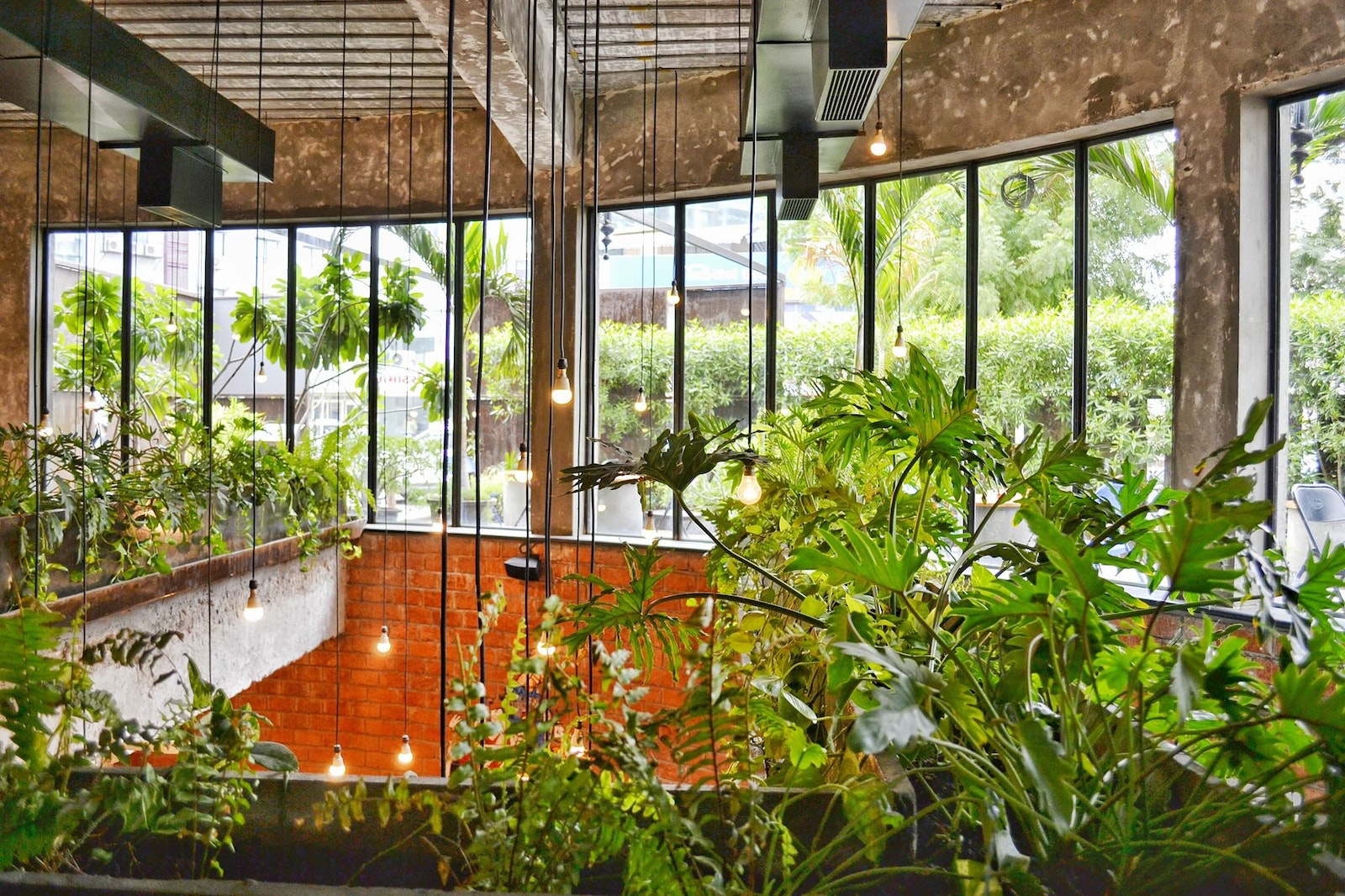
Green Building Energy Sustainability specializes in residential energy assessments, offering homeowners valuable insights into their energy consumption and potential areas for improvement. Our certified inspectors conduct detailed evaluations of your home’s insulation, heating and cooling systems, lighting, and appliances to identify opportunities for energy savings. By identifying and addressing energy inefficiencies, we help homeowners reduce utility bills, increase comfort, and create a more environmentally sustainable living space.
Optimizing Energy Performance for Your Business
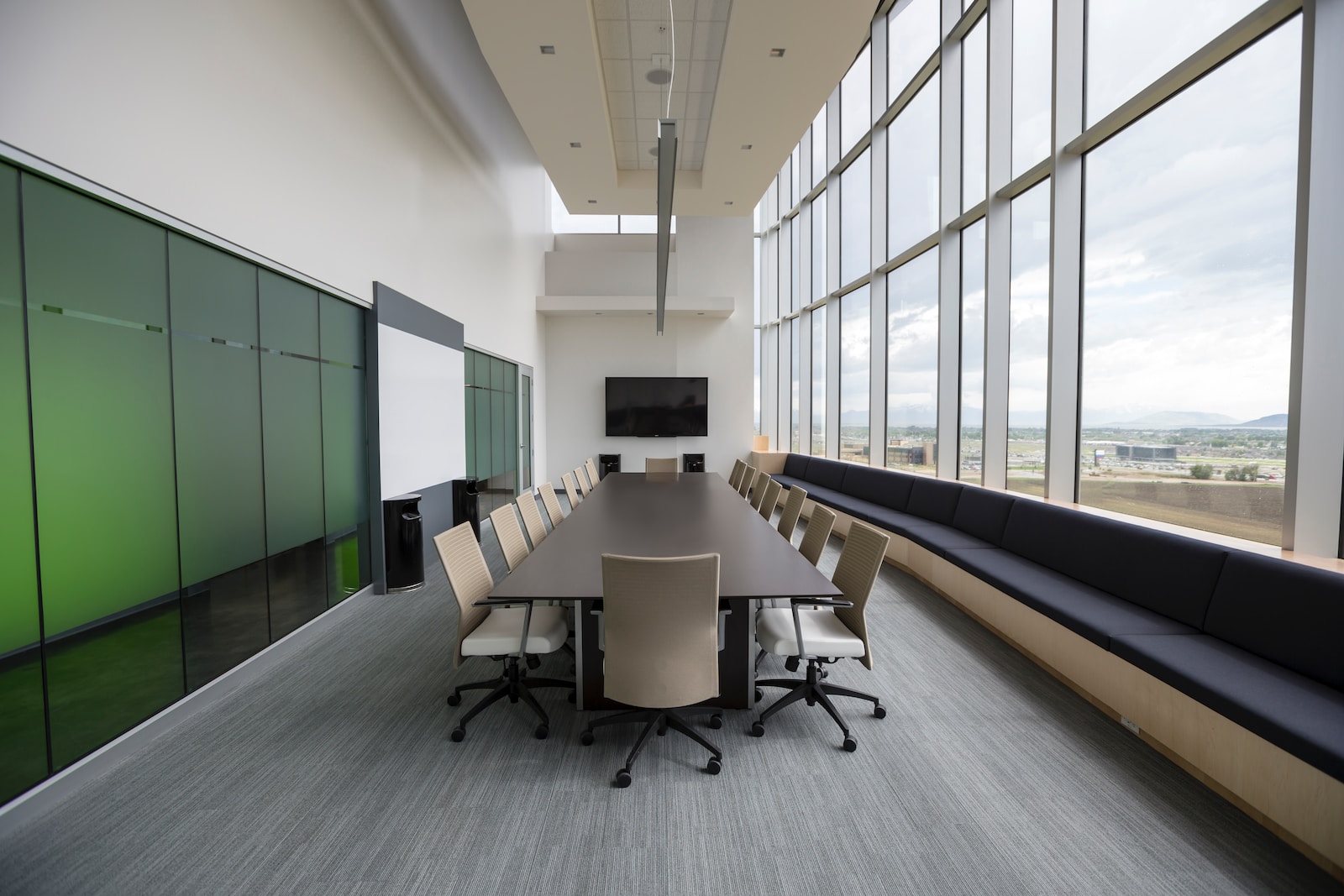
For commercial properties, energy efficiency is not only environmentally responsible but also financially beneficial. Green Building Energy Sustainability offers comprehensive energy assessments for businesses, providing valuable data to optimize energy consumption and reduce operational costs. We work closely with business owners and facility managers to develop tailored energy efficiency plans that align with your sustainability goals. With our professional guidance, you can enhance your commercial property’s energy performance, lower operating expenses, and create a more eco-friendly workplace.
Making Sure Your Property is Energy Efficient and Safe
Green Building Energy Sustainability is your trusted partner for comprehensive energy inspections and assessments in the Dallas area. Our team of certified professionals is dedicated to helping property owners ensure energy efficiency, safety, and compliance with energy codes and regulations. Whether you’re a homeowner, real estate agent, or property manager, our thorough and accurate inspections provide valuable insights to enhance your property’s energy performance and overall quality. Trust us to deliver reliable and prompt services that contribute to a sustainable and eco-friendly future for your property.
A Team of Energy Experts
Our team stays up-to-date with the latest advancements in energy-efficient technologies and building standards, ensuring that we deliver the most accurate and comprehensive energy inspection reports. Whether it’s evaluating heating and cooling systems, insulation, lighting, or renewable energy options, our team is dedicated to helping clients make informed decisions that lead to reduced energy consumption and cost savings.


Contact
If you’re ready to enhance your property’s energy efficiency and safety, reach out to Green Building Energy Sustainability today. Our team of certified professionals is eager to assist you with top-quality energy inspections and personalized recommendations. Contact us via phone or email to schedule your energy assessment and take a step towards a more energy-efficient future.
FAQ
Green Building Energy Sustainability is a highly popular choice among property owners and businesses due to our exceptional expertise in energy inspection services. Our commitment to excellence and precision in every energy inspection we conduct has earned us a reputation as a trusted partner in promoting energy efficiency and sustainability. With a team of certified energy inspectors, engineers, and environmental specialists, we possess the skills and knowledge needed to perform thorough energy inspections for both residential and commercial properties.
Our popularity stems from our unwavering dedication to providing accurate and insightful energy inspection reports. Clients rely on us to identify potential energy-saving opportunities and recommend tailored solutions that lead to cost savings and reduced energy consumption. By keeping up-to-date with the latest advancements in energy-efficient technologies and building standards, we ensure that our energy inspection services are at the forefront of the industry.
An energy inspection is a comprehensive evaluation of your property’s energy usage and efficiency. It helps identify areas where energy is being wasted and provides valuable recommendations to improve energy performance. Having an energy inspection is crucial to reduce utility costs, enhance comfort, and contribute to a sustainable future.
The duration of an energy inspection depends on the size and complexity of the property. For residential homes, it usually takes a few hours, while commercial buildings may require more time. Our team works efficiently to complete the inspection without causing significant disruptions to your daily activities.
An energy-efficient property offers numerous benefits, including reduced utility bills, improved comfort and indoor air quality, enhanced property value, and a smaller carbon footprint. Additionally, energy-efficient properties are more attractive to environmentally-conscious buyers and tenants.
Scheduling an energy inspection with Green Building Energy Sustainability is simple. You can contact our team via phone or email, and one of our friendly representatives will assist you in setting up an appointment that fits your schedule.